40 years ago to this day I became a settler in the Occupied Palestinian Territories. I certainly did not think of myself as a settler at the time. Aged 23 and after a decade growing up in a Zionist youth movement in the UK, I was “making Aliyah,” immigrating to Israel to fulfil the first priority of a practical Zionist. I was going to take my place in the collective national project of the Jewish people in the State of Israel. My first destination was an absorption centre in East Talpiot in Jerusalem. By chance, it was in walking distance of the campus of the Institute for Youth Leaders from Abroad where I had spent five months of a gap year in Israel, in 1978. I do not recall ever going to look at the new suburb of East Talpiot being built close by during my time there, but by the time I arrived on New Year’s Eve 1984, it was a well-established and built-up neighbourhood. We knew that the building we were in had been Jordanian before 1967, but I also did not ask myself about the history and fate of the Palestinian teachers’ training college that had been there.
I was well aware that East Talpiot is in East Jerusalem, over the Green Line that marked the border between Israel and Jordan from 1949 until 1967, as illegal under international law as any other settlement in the Occupied Palestinian Territories. That did not matter to me, as in my mind it was clear that whatever future diplomatic agreements there might be between Israel and Jordan or the Palestinians, Jerusalem must remain undivided under Israeli sovereignty. That was not negotiable. East Talpiot was one of the ring of new neighbourhoods built around Jerusalem after the conquest of East Jerusalem in the June 1967 war. My family’s only relative living in Israel, my second cousin, lived in another of them, French Hill, and I could no more imagine her and her family having to move out of their neighbourhood than I could my own family having to leave our home in Manchester.
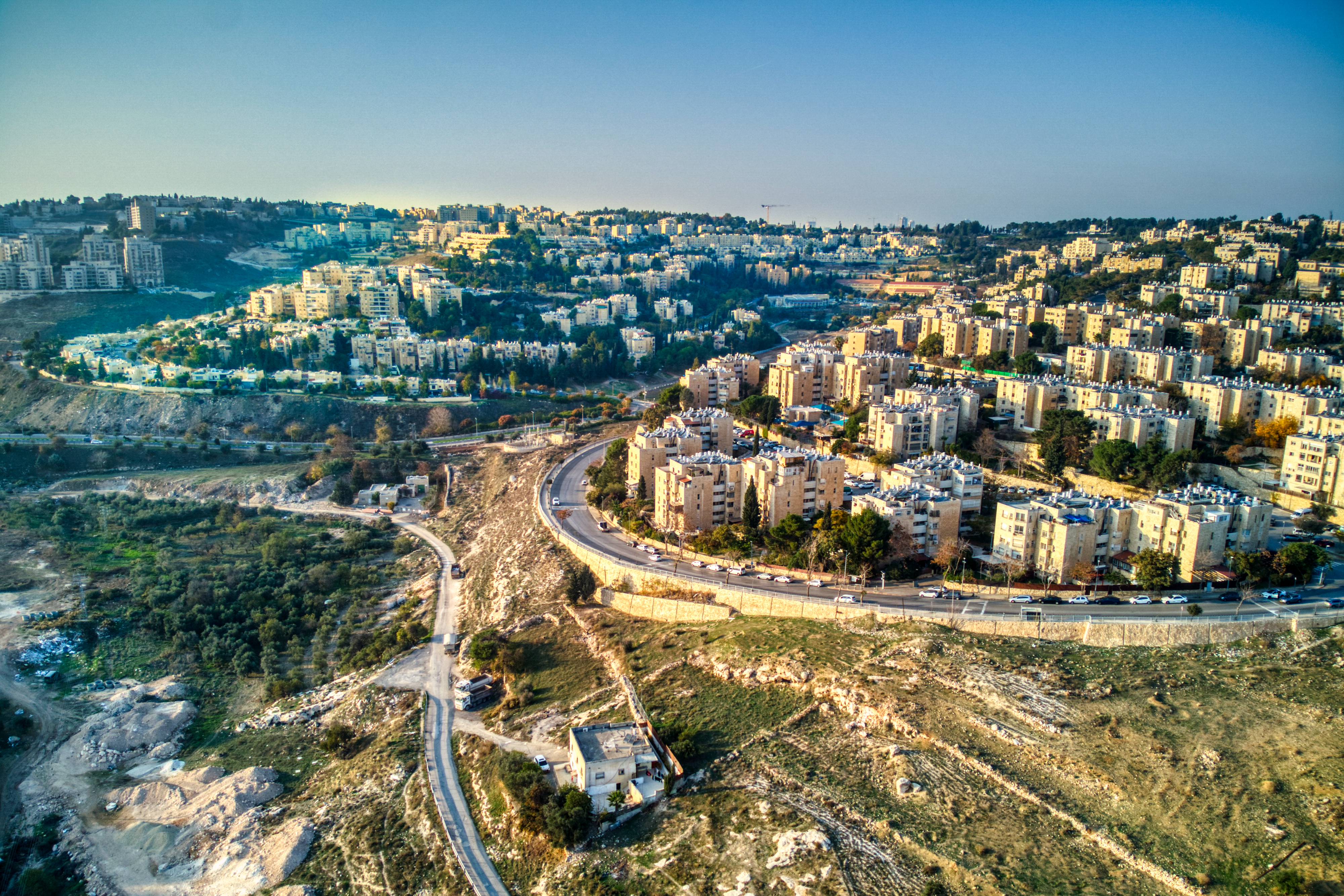
A decade later, in 1995, as I made my preparations to leave Israel and return to the UK to take up my first full-time academic position, I had misgivings about abandoning a campaign I was involved in to stop another Jerusalem suburb being built. Through a dialogue group between West Jerusalem Israelis and Palestinians in the West Bank town of Beit Sahour, I had a stake in preventing the building of Har Homa on the land of Jebel abu Ghneim, owned by Beit Sahouris as well as Palestinians in the neighbouring village of Umm Tuba and Jewish owners from before the 1948 war. A colleague assured me that Har Homa would never be built, and indeed soon after I left the Israeli government shelved the plan. However, the victory was short-lived. After the right-wing Likud government defeated the Labour-led “peace government” in the 1996 elections, the settlement plans were revived and went ahead despite further Palestinian appeals to the UN. I did not see Har Homa until years later in 2012, when it had about 25,000 residents and looked as established as the other Jewish settlement suburbs built around Jerusalem since 1967, including East Talpiot. Har Homa is another brick in the wall obstructing Palestinian nationhood.
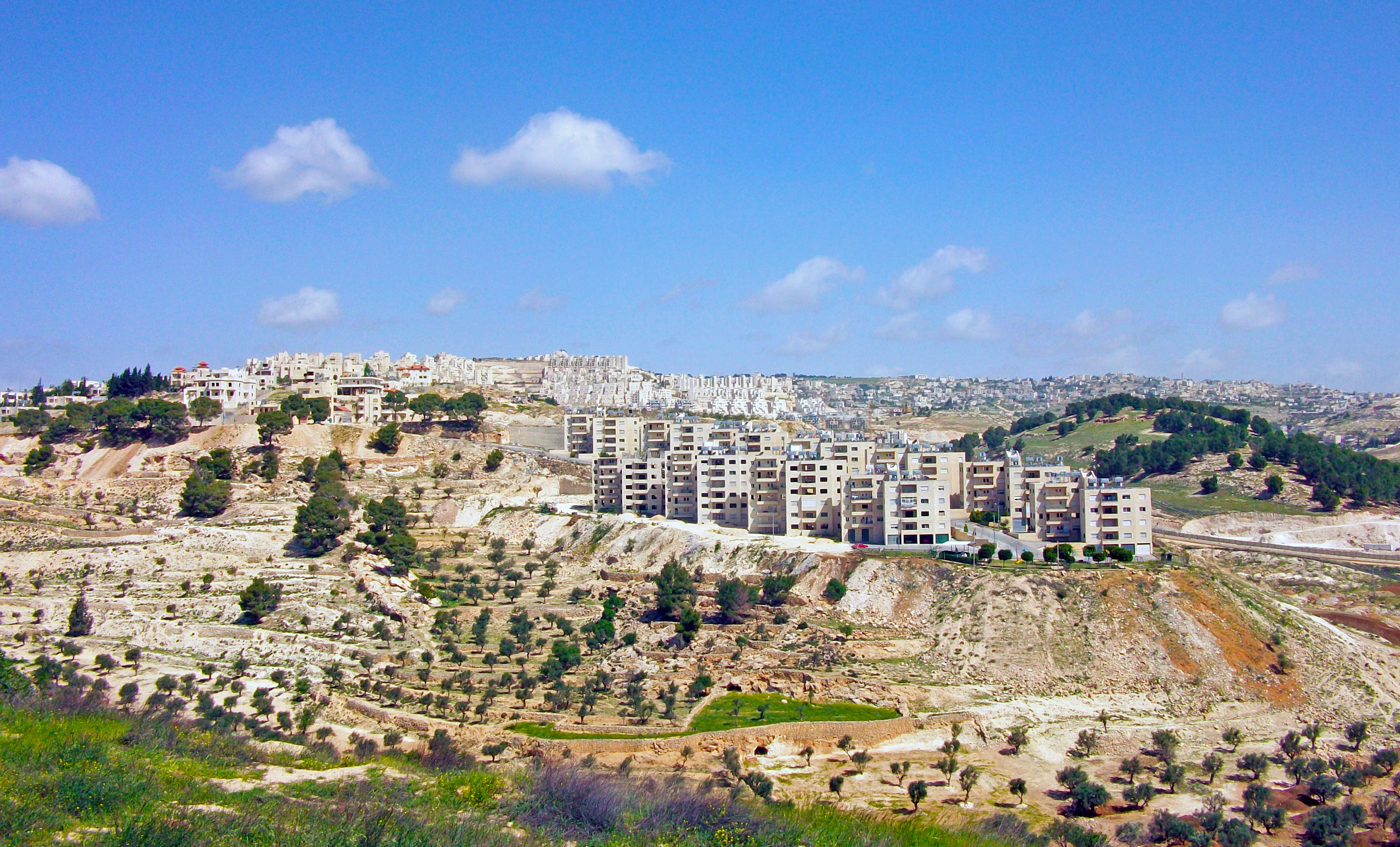
What had changed for me between 1985 and 1995? A good deal, including immersion in Israeli activism against the Occupation and for peace. It was not simply that after several months in the absorption centre I moved to West Jerusalem and lived there until I left. In 1985 I had not asked myself on whose land East Talpiot was built. I lacked the curiosity to find out that 1,343 dunams had been taken from the neighbouring village Sur Baher and 544 dunams from another village, Jabel Mukaber. I had never asked the Palestinians in those villages how they felt about East Talpiot being built on their land and to obstruct their development. By 1995 I had spent many hours in dialogue and organising meetings with Palestinians from Beit Sahour who had become my friends. Through the practice of dialogue, even one that did not undo the relationships between occupier and occupied, I had unlearned the arrogance that allowed me to think that I could tell Palestinians that the Israeli claim to sovereignty over all of Jerusalem is not negotiable. I had learned equality, to treat Palestinians and their rights as equal to Jewish Israeli rights. I had unlearned, at least to some degree, the mentality of the settler I had arrived in the country as.
 Picturing Peace